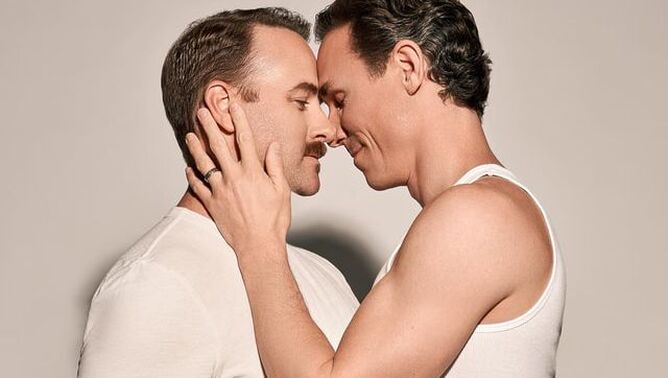
 The Broadway Husbands, Bret Shuford and Stephen Hanna, provide a safe and welcoming space for creative entrepreneurs, new parents and members of the LGBTQ+ community to exchange ideas, celebrate art and strengthen their talents. In P&E, they talk about their platform, fatherhood, and representation.
Let’s start with your life on Broadway. Many dream of the experience. What was it like? For Bret, it was a lifelong dream realized. “I knew I wanted to be on Broadway at six years old,” Bret said. “I remember taking a bow at the curtain call of Beauty and the Beast and thinking, ‘I’m the person I always imagined I could be.’” Stephen had been a principal dancer at New York City Ballet, so Broadway was an unexpected stop. “When Bret and I started dating, I loved meeting his friends on Broadway,” Stephen said. “I never thought I would eventually be dancing there so soon after Billy Elliott. The Broadway experience was so different from the ballet world, plus we both got to walk each other to our stage doors and meet up between shows. It was our little gay dream come true.” Was being a father always in the picture for both of you? We had been dating for about two years when we started talking about having a child. “I just looked at Stephen one day and said, I think raising a kid with you would be fun,” Bret said. “We had no idea how we would go about it with our crazy performance schedules and freelance income. We explored adoption and learned about surrogacy. After a while, we decided on a biological attempt.” “We thought, ‘let’s try and see how far we get,’” added Stephen. “It took us four years to get to this place, so I guess all those years of persistence as an actor paid off to become a dad.” It will be three months in June since the birth of your child. How has it been? It has been exhausting, fun, loving, frustrating, and adventurous. A lot of old relationship stuff comes up again to work through, and new family things come up as well. Navigating our immediate family and how to set boundaries, sleep training, and work schedules is a whole other thing. Maverick, however, is so sweet and cute. We pinch ourselves every day that we are lucky enough to get to be his parents. Having worked so long to get to this point, we are just grateful to have a healthy baby. Next up, we’ll be navigating the real world as gay dads living in Texas while making a living as artists. Tell us about Broadway Husbands and the goal of the platform? We started the account to help show LGBTQ+ people that you can love who you love and love what you do. Our success in our performance careers is possible for anyone no matter where you are from. There was no example of a same-sex couple raising a family in the arts and we want to show people that it can happen — you don’t have to sacrifice your sanity or your happiness. The goal would be to make supporting the arts just as trendy as Kim Kardashian’s makeup line. We were tired of seeing perfectly curated content from influencers and so much consumerism around products. We want to show people how awesome theater, music, and art can be for your feed as well. What does the future hold for both of you? Because the only way to end oppression and fight for the rights of marginalized communities is to help lift them up. I don’t need to speak for anyone. I just have to amplify their voices. I am born in oppressed communities, but I also have many privileges. It’s important to help support ALL the marginalized people out in the world, not just the ones you relate to.
0 Comments
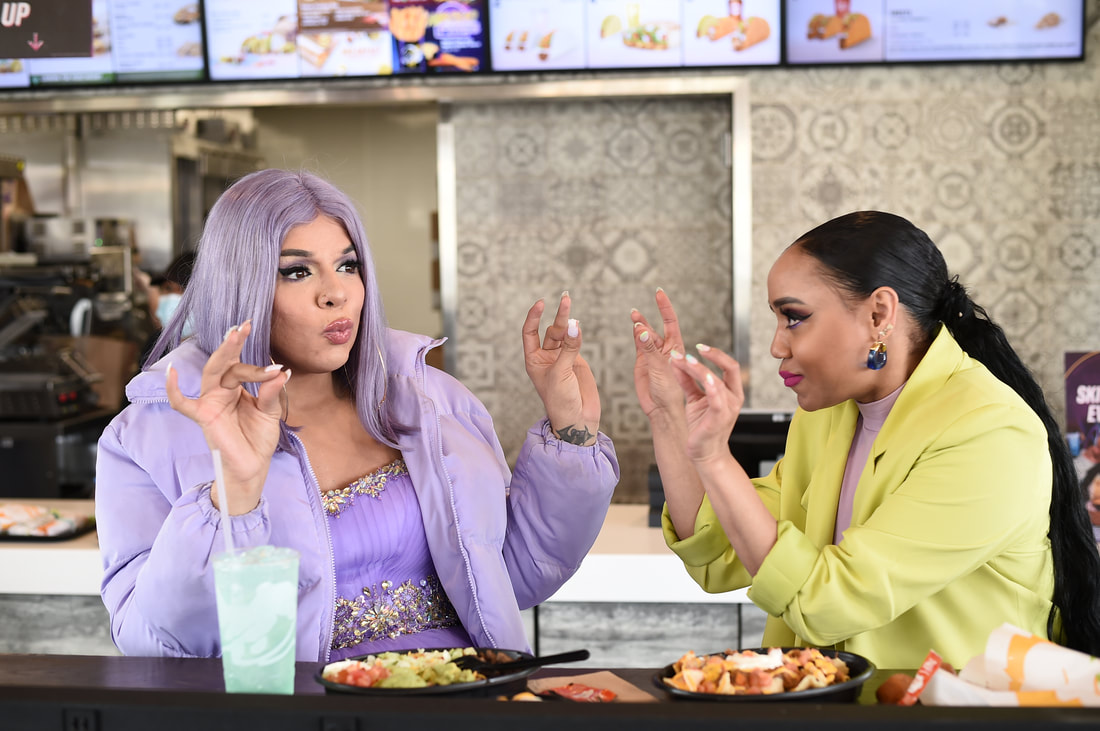 Everyone knows what Mother’s Day is, but what about chosen families? Work family, roommates, friends, communities -- people who play significant roles in each other’s lives, outside of biological family or monogamous partners. With today’s landscape, schools are banning queer education, trans families face discriminatory legislation, 40% of our houseless population is LGBTQ+. Having safe spaces through chosen families is more important than ever - especially during traditional “family” moments such as Mother’s / Father’s Day or the holidays. To celebrate chosen families, Taco Bell partnered with the fabulous House of LaBeija, the most prominent and revered house in New York’s drag and ballroom scene, founded by Crystal LaBeija and Lottie LaBeija in 1972. The House of LaBeija will be featured in the upcoming Tribeca Film Festival that pays homage to the House through a series of letters from its members. 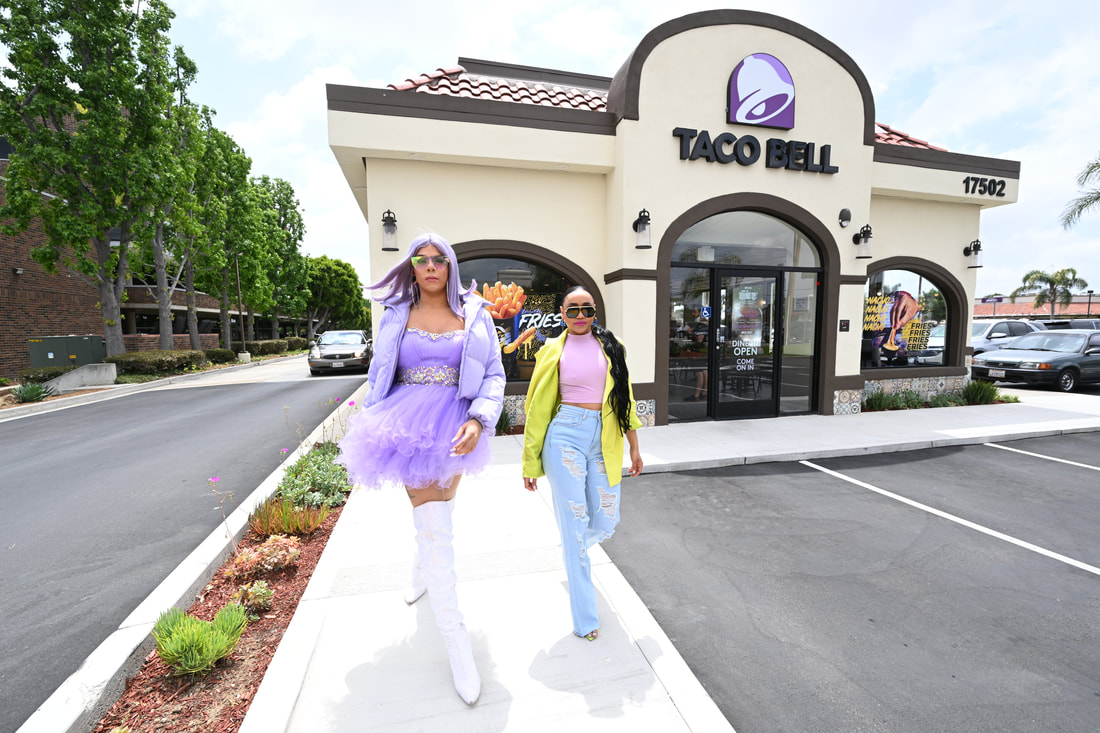 As a brand that shows up organically in the Queer space, Taco Bell is creating a safe space for the LGBTQ+ community and ensure our Queer youth can Live Más. Taco Bell created a YouTube series titled Drive-Thru Dialogue where underrepresented voices can have real conversations about topics that matter to them, all from a Taco Bell Drive-Thru. Viewers will meet House Mother Samil and House member Aja LaBeija where they’ll discuss the topic of chosen families, their background and break-through.
“We spoke about the mothers of the house, the legacy, and how the women have paved the way,” shared Samil LaBeija. “I am not the first cis-gender female as the mother there was a previous cis gender that open up that door for me, so now I'm allowing other females to come as they are.” Drive-Thru Dialogue is streaming on YouTube at youtube.com/c/TacoBell/.  The National AIDS Memorial will mark the 35th anniversary of the AIDS Memorial Quilt with an historic outdoor display. More than 3,000 panels of the Quilt will be displayed on June 11 & 12 in Golden Gate Park’s Robin Williams Meadow. The free public event is the largest Quilt display in over a decade and the largest-ever in San Francisco history. After 35 years, the Quilt remains a powerful symbol of hope and resilience. It’s an important teaching tool to heal the nation from recent tragedies. The new Quilt panels will be revealed, a reminder that the fight for a cure is not over as HIV cases are on the rise among communities of color. Also The National AIDS Memorial will announce new Quilt programs to raise greater awareness about health and social justice issues and take action against stigma.
The first panels of the Quilt were created in June of 1987 when a group of strangers, led by gay rights activist Cleve Jones, gathered in a San Francisco storefront to document the lives they feared history would forget. This meeting of devoted friends, lovers and activists would serve as the foundation for The NAMES Project AIDS Memorial Quilt. Each panel created was the size of a human grave and they saw the Quilt as an activist tool to push the government into taking action to end the epidemic. Today, the Quilt is the largest community arts project in the world, consisting of 50,000 panels, weighs 54 tons and includes the names of 110,000 loved ones who have died of AIDS. In 2020, the Quilt became part of the National AIDS Memorial. Touchpoints during the two-day event include thousands of visitors coming together to view the thousands of names and stories stitched into the panels as they are laid out in the meadow. There will be panel-making workshops, social media storytelling, and a community village with 25 community-based organizations providing public information. To learn more visit www.aidsmemorial.org/quilt35  The recent release of that 300-page report of widespread sexual abuse and its cover-up by leaders and ministers in the Southern Baptist Convention (America’s largest Protestant denomination) is only a surprise to people who’ve been in denial about the millennia-long history of the relationship of religions to sexual obsession. Allegations of sexual abuse and this denomination’s handling of them in particular have been news for decades.
Of course, the anti-Catholic stand of these Baptists and most Evangelicals has kept them condemning the same thing in Roman Catholicism for a century. And widespread sexual abuse is a factor in Evangelicalism beyond this denomination. But this is not about hypocrisy, which is actually not considered such a bad thing in right-wing religion. It’s about something inherent in its doctrinal structure. As I wrote in the chapter “Not So Strange Bedfellows: Sexual Addiction* and Religious Addiction:” “The existence of widespread sexual abuse by the clergy beyond the Catholic Church remains another societal secret. Though, as best we can tell, it occurs in similar proportions, it’s widely swept under the rug by denominations and local churches.” The real history of religions throughout the world shows how its leaders and institutions have been concerned with controlling human sexuality through almost any means, especially when controlling that sexuality supports the culture’s political and economic powers. At the same time, history is replete with sexual harassment and abuse. Obsession with sexual control is due to religions having been useful to political rulers to promote their power – kings, emperors, and politicians who funded the religious institutions and were often treated as exempt from the religious sexual prohibitions that were enforced on the commoners. Religious leaders and institutions relied on economic and political patronage and protection from governments just as the religious right-wing wants it to be today. Sexual control of populations is vastly common to, but doesn’t have to be something inherent in, religion itself. There’s as much sexual abuse in non-religious corporations as in any denomination. Healthy religion could be used to promote so much else, but that would mean giving up much institutional power. Instead, religious leaders would have to become comfortable with promoting freedom and personal choice. But sexual obsession and control represent a familiar way religion has been used by its leaders, institutions, and allies to control the populace - adding eternal damnation, other condemnations, and threats to sanctify worldly power plays. Sex has been good for stoking religion because it’s universal and, in Capitalism, it sells. Thus, at the same time it can be both promoted for profit and useful to raise guilt when it’s ever practiced. For millennia, then, religious leaders have been preaching that their divines want all kinds of controls on human sexuality. You’ve noticed that that kind of preaching has mostly failed, right? If you listen to controlling religious leaders who continue to repeat these failed tactics talk, they’re shouting today as much as ever, if not more, that sexual license – being out of (their) control - is worse today than ever. Of course, this is combined with right-wing religious leaders’ claims that it’s those other religions or denominations that have the problem - proof that they have the Truth and those others don’t. The Southern Baptist Convention, like the Roman Catholic Church, has shown that it can act like a major international bureaucracy that has institutionalized sexual addictions and covered them up with religion addiction. And all through this, these institutions continue to act as if LGBTQ people or homosexuality is the societal problem. No, no look over there! That trope was debunked decades ago. The majority of members of the Survivors Network of Those Abused by Priests, for example, are women. And reports of sexual abuse to SNAP have regularly come from Evangelicals. The reality of right-wing religion’s sexual sickness is that repression leads to obsession. And sexual addiction* and dysfunction and their cover-up with sexual and religious righteousness are widespread cultural phenomena that our sexually sick culture doesn’t want to face. “As long as we can pin addiction on dysfunctional families and make them the primary cause of sexual addiction,” Anne Wilson Schaef asks in Escape from Intimacy, “can we then hold onto the illusion of ‘normal,’ refuse to look at the role of our institutions (especially church and school), and avoid completely the role of addictive society?” As I discuss in When Religion Is an Addiction, the relationship between sexual addiction and religious addiction has a long history as cross-addictions in the Church, back at least as far as influential Church Father St. Augustine whose own Confessions show that he’s a classic example of a sexual addict covering it up by becoming a religion addict. Augustine’s theological cover-up concluded that original sin was actually passed down through the sex act he could never reconcile in his personal life. Hence the Church would become a place for sexual anorexia and bulimia. Even more today, though, it’s multiplied by that economic sexualization of our culture through conservative corporate, “free market” consumerism. Sex, the ad industry still believes, sells. It’s portrayed as something everyone can “have” better if they buy, buy, and buy more. Sex is sold as proof you’re a real man or woman. It proves you’re finally close to another human being. Everyone else has the stuff that ensures that they’re having the great sex you aren’t, you should fear. And if you aren’t compulsive about sex, you’re told there’s something wrong with you. Even some “science” colludes with the idea. This is an ideal environment for religious institutions to recruit followers by convincing them that they’re guilty for having, or even thinking about, sex or the wrong kind of sex. This tried and true method for getting people to relieve their guilt would lose much of its power if society weren’t selling things this way. No wonder right-wing religion is in cahoots with big business and its consumerism. Correcting the societally encouraged sexually dysfunctional thinking and resulting guilt would require institutional and personal healing and learning how sexuality can be holistic and healthy. It would require recognizing the variety of sexual orientations and expressions. But the popular method is to try to relieve the guilt and shame with a cover-up – the religious addiction to the feeling of being righteous. Enter anti-sex politics and right-wing Christianity with its fear of anything it can’t control. Hide in the high of feeling righteous and identifying with each righteous cause, cling to the righteous feelings of right-wing Christianity’s exclusivism, and you have crossed into religion addiction. It’s easier than coming to terms with what one hates or fears about themself and rejecting the institutions that promote fear and hate. It’s easier than learning to find one’s healthy sexual self. Instead, this righteousness-high works, until the addicts fall off the wagon. -------------------------------- *I know that there are also some therapists who want to deny the reality of sexual addiction and feel that it is misused as an excuse – sort of like, “the alcohol made me do it.” To me that is a matter of disagreement among specialists over therapeutic definitions of “addiction.” Robert N. Minor, Ph.D., Professor Emeritus of Religious Studies at the University of Kansas, is author of When Religion Is an Addiction; Scared Straight: Why It’s So Hard to Accept Gay People and Why It’s So Hard to Be Human and Gay & Healthy in a Sick Society. Contact him at www.FairnessProject.org. 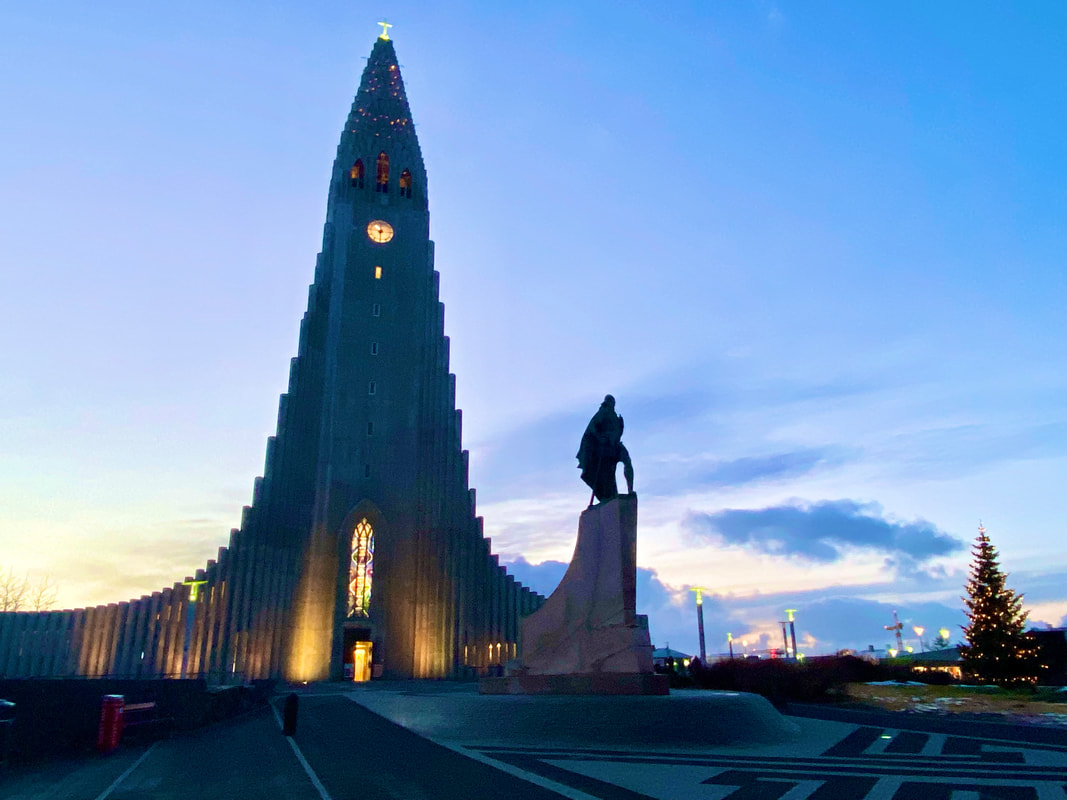 The only way to describe Iceland is...magical. It truly is. Iceland is like no other place I’ve visited in the world. Its topography, climate, people, culture, history, and nightlife blended together make Iceland a surreal adventure that everyone should experience at least once in their lifetime. In my case, this is my second visit to the country, and probably not my last. The first time I set foot on the island, I was on a mission to see the elusive northern lights. While they evaded me during that visit, this time was different. I didn’t see Aurora dancing through the sky, but I did see a hint of the lights, enough to make me stop and stare in awe of their beauty. One of Iceland’s many strengths is its people. I met an incredible group of people who helped make this visit extremely memorable, including openly gay Icelandic pop star Friðrik Ómar, who invited me to his Christmas concert. Although most of the concert was sung in Icelandic, many of the songs were recognizable, including a fabulous version of Mariah Carey’s “All I Want for Christmas”. Friðrik was a former contestant on Eurovision, and it was easy to see why. His vocals and stage presence were extraordinary, reminiscent of George Michael. Book your stay at the Reykjavik Konsulat hotel located in the heart of the downtown Reykjavik, just a short walk from all of the city’s main attractions including Harpa concert hall, Sun Voyager and the iconic Hallgrimskirkja cathedral, the largest church in the country which and towers over the center of Reykjavik. Its 240-foot-high tower provides a wonderful 360° view of the city. Visitors can either walk up the stairs to the top or pay a small fee to use the elevator. Our spacious room at Reykjavik Konsulat included a walk-in shower, king bed with ultra-luxurious linens as well as a seating area. Every day the hotel offers a complimentary happy hour, as well as a delicious breakfast buffet, featuring a variety of local specialties including smoked salmon. The hotel also offers a nice fitness center as well as bath house complete with sauna and hot tub. Don’t get too excited, bath house means something completely different in Iceland than it does in the United States. 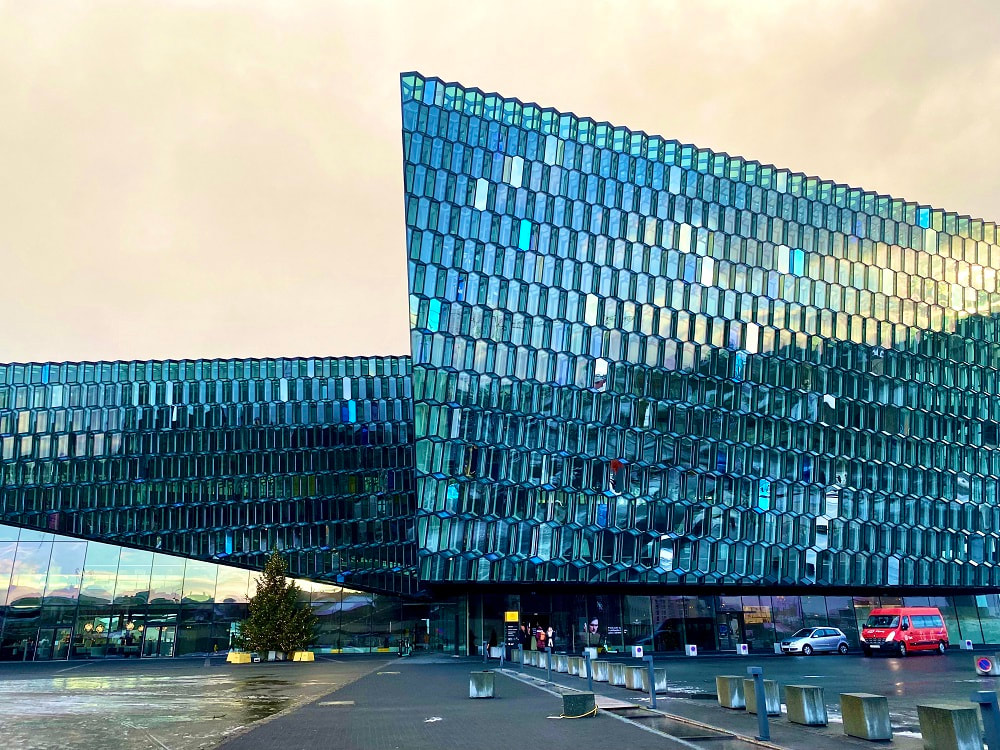 Going to Iceland in the winter is an adventure. It definitely isn’t a relaxing trip; more like a journey to the most extraordinary ends of the earth you will ever discover. With that in mind, book a full day private excursion to the South Coast with Friend In Iceland. Our wonderful guide Gunnar picked us up from our hotel in a Mercedes minibus and we were off to explore a part of the country I hadn’t been to on my prior visit. The nearly 9-hour tour took us to Seljalandsfoss and Skógafoss waterfalls where we had the opportunity to stand at the base and feel the power of these natural wonders. Next, we journeyed up to the top of a cliff which provided views of the ocean as well as a rock formation jutting out into the sea which connects to Reynisfjara black sand beach. Words can’t describe how beautiful this moment was. I’m almost in tears again just thinking about it. The waves crashing on the beach coupled with a clear sky and mesmerizing sunrise made for an absolutely majestic view. Gunnar then brought us to a cute restaurant where we had lunch which consisted of pizza and a sandwich, not typical Icelandic cuisine, but it was delicious nonetheless. Reykjavik is home to one gay bar, called Kiki. Although it was closed during this visit due to COVID-19 restrictions, we did happen to meet the owner who invited us back to the country this summer for their pride celebration. 2022 marks the 23rd annual Reykjavik Pride, which is held in early August. The festival attracts over 100,000 people to the city for a week-long celebration including a festival, parade, and numerous parties. Wake up early the next morning and get ready for your next Icelandic adventure in the Golden Circle. Although this region is easily drivable from Reykjavik in the summer, I wouldn’t recommend venturing on your own during the winter months as many of the roads are icy and the weather can be quite spontaneous. One moment it will be sunny and then 30-minutes later you can find yourself in a winter storm with 40-mile per hour wind gusts. 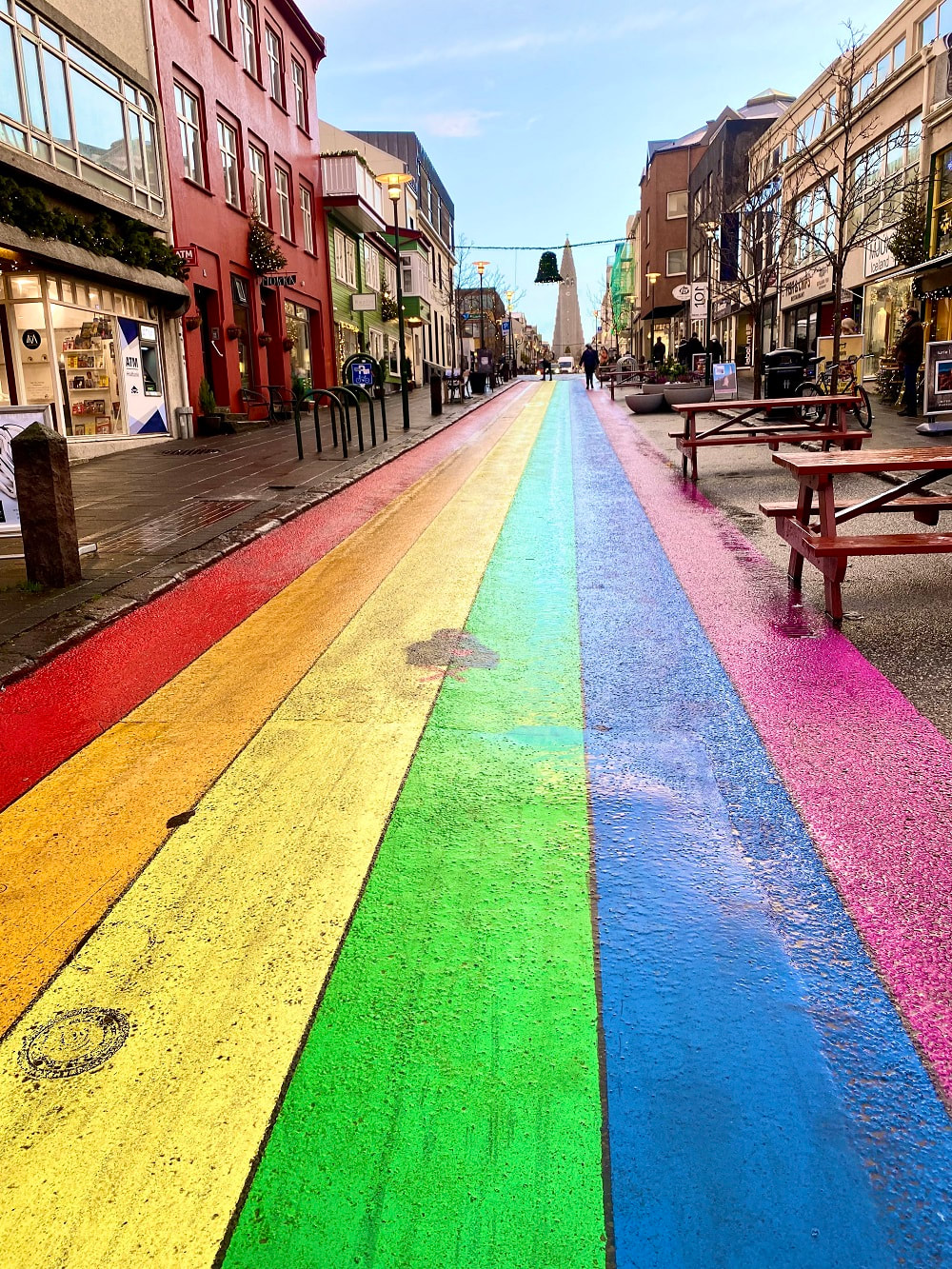 Begin your Golden Circle tour with a trip to Thingvellir National Park, a UNESCO heritage site and home to Gullfoss, also known as the 'Golden Waterfall', one of the most beautiful and powerful waterfalls in Iceland. I recommend descending the stairs to the lower viewing area to really comprehend the size and scope of this natural treasure. Not too far away is Geysir, Iceland’s version of Old Faithful. The geyser erupts about every 7 minutes, so keep your camera ready.
Finally, end your tour with a snowmobile ride on the Langjökull glacier. This is also something I didn’t experience on my first visit, and I can honestly say it was one of the coolest (literally) experiences of my life. We had to jump off our luxurious tour bus and board a souped-up monster truck looking bus which transports you to the glacier where a team is ready to outfit you with protective gear and teach you how to use the snowmobiles. The hour tour of the glacier will make you feel like you were on another planet. There are points where the sky and the glacier meet, and you can’t tell them apart. I was fooled by a few optical illusions a few times. Iceland can be inexpensive to get to, but then very expensive while you are there, so please plan accordingly. Food and alcohol can add up really quickly, so pace yourself when visiting the bars. One of my favorite restaurants we visited in Reykjavik was Noodle Station. Guests can order soup three ways: with chicken, beef, or just vegetables. It is the perfect way to end a long day spent playing in the ice and snow and quite affordable. Do your research before visiting to find some of the city’s hidden gems and cheap eats. Icelandair offers direct flights to Reykjavik for relatively low prices from Boston, New York, Chicago, Raleigh-Durham, and a few other U.S. cities, so check their website regularly to catch a great deal. Enjoy the Journey. Joey Amato is the publisher of Pride Journeys, a syndicated LGBTQ travel column. Joey has worked in LGBTQ media for over a decade and is currently residing in Indianapolis. For more information about Pride Journeys, visit www.PrideJourneys.com. 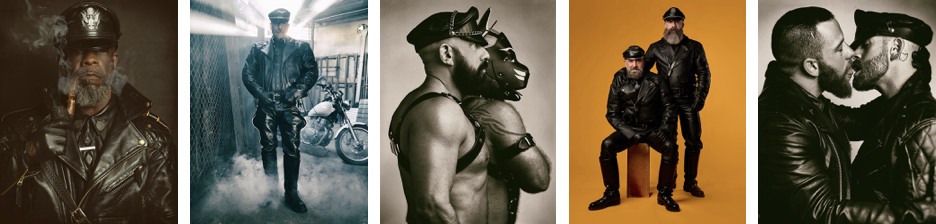 New Jersey-based photographer, Mike Ruiz, featured on Next Top Model and RuPaul’s Drag Race, started an ongoing series to highlight the beauty & diversity of the leather community - showing that it’s not about just wearing leather or kinky sex. According to Ruiz, “It’s about a community of men who form a strong brotherhood with a rich history rooted in community service and inclusion dating back to the 60s. The more I learned, the more I wanted to know. I figured the only way to get an accurate account was to go to the sources.”
The Covid-19 pandemic exacerbated an existing problem; the diminishing of queer communities and their spaces, which were already becoming sanitized and assimilated into the mainstream culture. With this, Ruiz focused on the community he explored his entire life without shame or apprehension. He embarked on this project to experience liberation that he hadn’t known before. During his travels, meeting, and bonding with these men, Ruiz saw how free and empowered they are. Which granted him the power to let go of his hang-ups about sex and relationships. Much of the project happens while the camera is down. Talking to the men while they prepare their formals, polish their boots and light their cigars, Ruiz listens to them as they discuss the mental changes that happen while they get dressed and how impactful this part of the process is up to the final photo. Ruiz plans to continue the series by taking more portraits of Leather Men and collecting their stories. As the series grows and evolves, so will the discussion and understanding of what it means to wear leather as a form of self-identification instead of just a sexual practice. The project will culminate in a book and multiple gallery showings. Ruiz hopes the project will become a time capsule that will keep the leather community’s rich history and traditions alive for a long time to come. 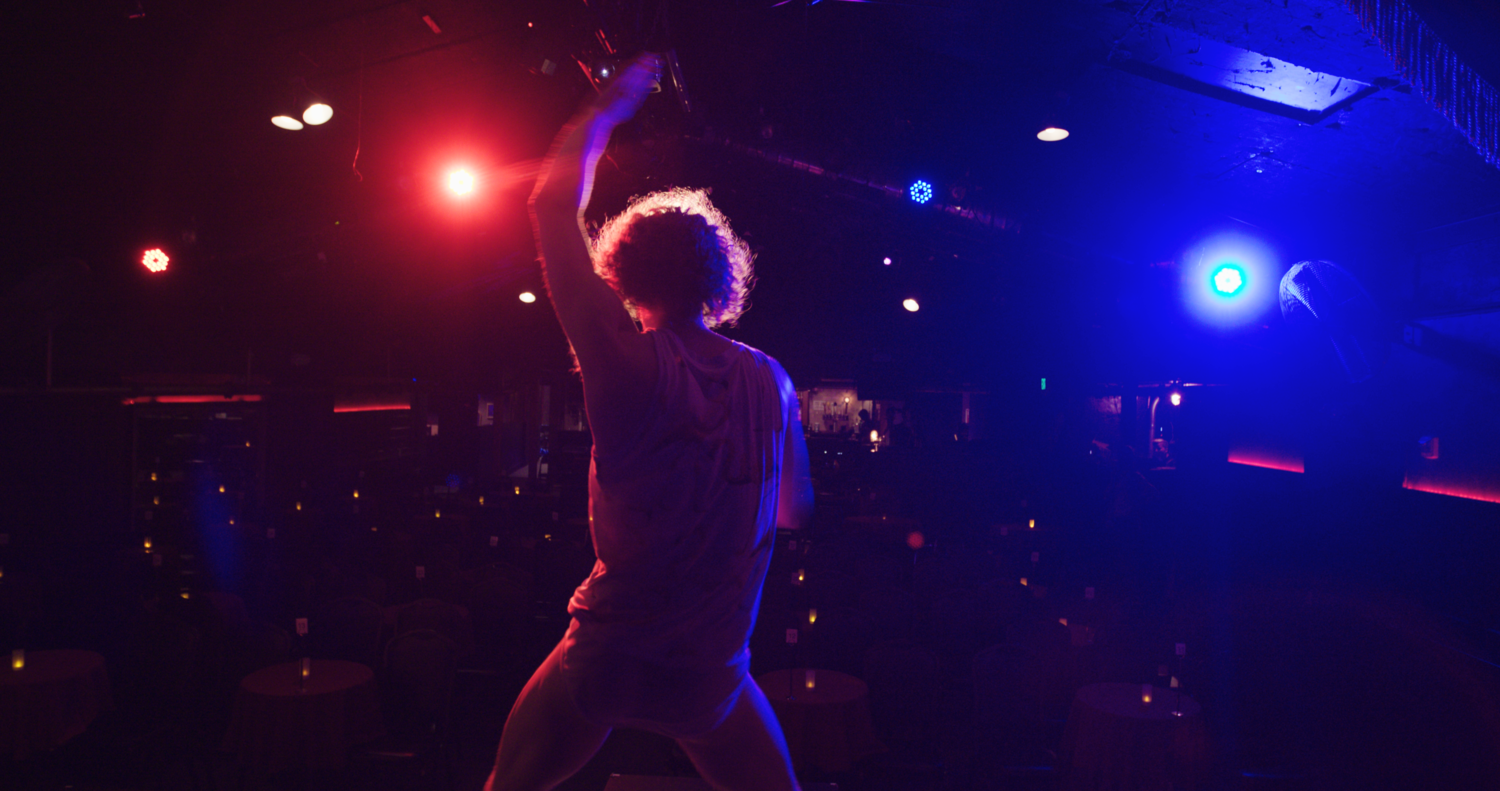 Queer artist Michael Phillis realized that “his worst day as an artist was still better than his best day as a tech manager.” So, he quit his day job, not just to create art, but to connect with other artists, many of whom work in jobs similar just to cover the cost of living in America's expensive queer mecca. Thus, Baloney, the performance troupe, was born -- a classic variety show combined with burlesque, using theater, dance, and strip tease to explore and celebrate queer sexuality and life experience. Michael, together with his life partner Rory Davis, have been delighting and surprising audiences for years, and this documentary offers up an under-the-covers look at the real life people who create and perform the show, and a behind the scenes view into all of the hard work that goes into putting on this powerful and beautifully produced professional theatrical production. With Baloney about to be released to the world, co-creators Michael Phillis and Rory Davis shared, "After doing the show live onstage for the past 8 years, it's thrilling to see Baloney reach an international audience through Joshua's documentary. Our hope is that young queer adults will see the movie, connect to the show, and know that they're not alone. There's a wonderful world of underground queer performance out there and your chosen family is waiting for you." Ahead of Baloney's VOD debut, director Joshua Guerci shared what Baloney means to him as a filmmaker and a human. "Looking at the world today, I’m proud of Baloney because it challenges the prevailing narrative that sexuality is something to be ashamed of. Opponents to equality want to push LGBTQ identities back into the closet and this film demonstrates how queer identity is the entire lived experience of a person beyond what people do behind closed doors. I hope when people watch the film, it sparks a conversation about how we learn to be more like our authentic selves. I made Baloney to look beyond the coming out and the process. The Baloney journey explores not just who you love but how we love each other and ourselves." While moderating the screening at Outfest Los Angeles, Drag Race star BenDeLaCreme enthused, “Baloney feels very much related to drag. There really is a relationship between Baloney, drag, and indie filmmaking that’s all about being scrappy and making everything happen yourself and being all hands on deck to make the art be what it needs to be. That’s something really beautiful and relatable and exciting and I love that it’s uniquely San Francisco.” Baloney was directed, produced and shot by Joshua Guerci in his feature debut. Marc Smolowitz (Being BeBe, Transfinite) produced. It debuts June 7 across North America and will be available on a number of digital and cable platforms, including iTunes, Amazon Video, Vudu, Spectrum, and inDemand. 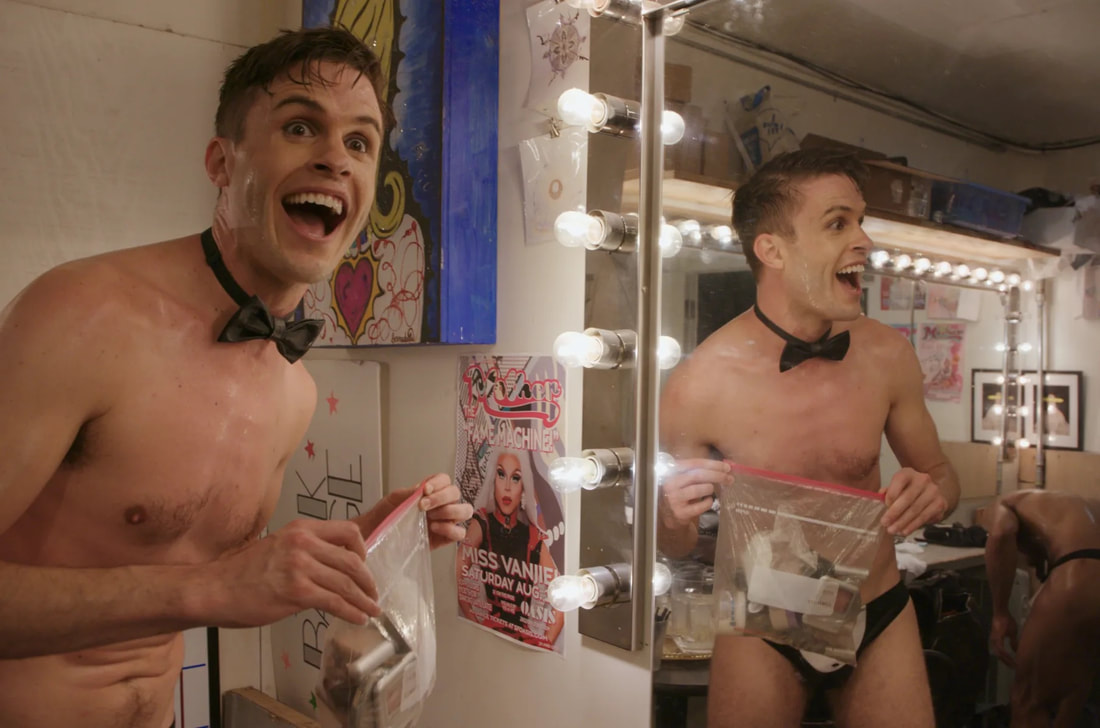 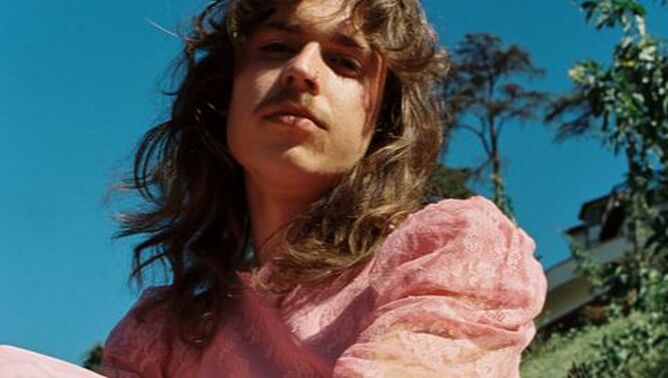 Mothé - Photo credit: Victor Grossling  Image of Mothé's new cover. Image of Mothé's new cover. Mothé is not your average run-of-the-mill musician - they are an artist. Pulling from life experiences, Mothé creates a perfect fusion of rock and pop covered in a tasty layer of synths. Their latest project, I Don’t Want You to Worry Anymore, is an album of healing and an intimate look into the type of power social discomfort and the need to find a place one has on one’s soul. With songs like Dancing on an Empty Floor, Everyone is Everything, and Breathe The Air on the Moon - the album has a real sense of what they were releasing into the universe - making a connection with fans, letting us know that living on this planet is not an easy feat. But, others like you feel what you feel, and you will make it through. Mothé shared a little about the process behind the album and what they discovered about themselves in the experience.
You shared that I Don't Want You To Worry Anymore is an album about healing, documenting moments of hurt. Some artists would find the process of creating this type of album challenging. What was your creative process for this project? I didn't know what kind of album I was making in the moment, so I didn't find it particularly challenging to go back to those feelings. I would have felt a lot worse if I had sat down and decided to make it, but I was just in a period of time where I needed a lot of healing and compassion from myself, so the process ended up feeling more comforting than challenging. The process was really long. I was basically bouncing back and forth between my apartment and Robert's apartment for months during covid. I would start an idea at mine and finish it at his. I wish it were a little more glamorous to be honest. It was just the two of us approaching it in a healthy way during office hours. What did you discover about yourself during the creation of this album? Having an entire album gave me a lot of room to experiment with new kinds of music. There's a pretty big difference between a song that plays well on its own and a song that plays well in support of a larger body of work. This was the first time I've ever made an album so it was a chance for me to experiment with less "in your face" songs. I got to discover and begin a new voice in my songwriting and production that I'm incredibly excited to continue. On a personal level I gained a lot of confidence and security. The creative direction of the album gave me a supportive window to be more expressive in my queer identity, and I am a lot less afraid to be myself. It's changed a lot for me for the better. Tell me about the camaraderie of your collaboration with producer Robert Adam Stevenson. Robert is a wonderful person. I love working with him. We met in a studio when I first moved to LA, and we were writing for other artists, but we clocked each other immediately and started working together outside of the studio. He's my closest collaborator, it's really amazing to have someone who's as interested in the vision of the project as me. He just cares, even when he's working on projects he doesn't like all that much, he puts in so much energy and effort. I lean on him a lot. He's really the only person I work with, so it's amazing to have this sort of intimate "closed door" creative situation. We grew together and have started producing other people's records as a duo, so it's a relationship I look forward to continuing. He's had a lot of real success since we met and has always left room to make music with me. The sound is powerful. Was there an inspired musical influence that went through your mind when working on the music? I've always been into really harsh and loud albums, I read a study recently about people with anxiety connecting with Shoegaze music because it's a wide-range blanket of frequency. I wanted to make something like that but with a sincere pop structure. Even though the album is powerful, you'll find that it isn't all that loud compared to the digital-leaning rock bands of the modern times. I was trying to create a more comfortable kind of loud, using a lot of valve distortion and minimal compression. I've always been trying to find the middle ground between classic indie bands and today's modern party pop. It's an attempt at crossing Radiohead and Charli XCX, really. What do you want listeners to walk away feeling when they listen to your album? My favorite thing about making music is that I don't get to dictate this. It's my album and my experiences, but as soon as I put it out into the world, it's everyone else's. I love this, it's a community buffet, so I want people to take what they need from it, or even just what they want from it. For more information on Mothé, their music, and tour, visit https://linktr.ee/motheworld. 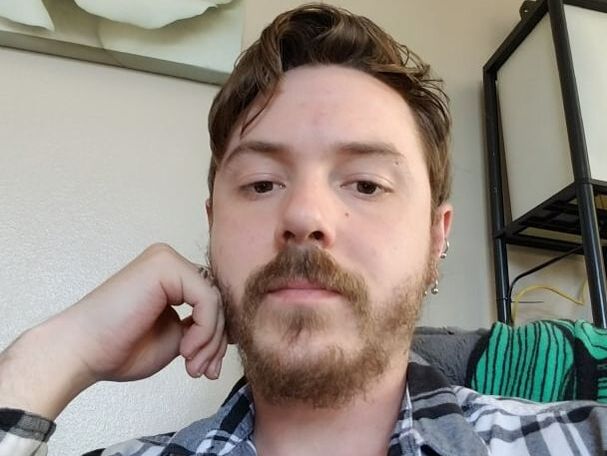  Albuquerque author Ronin Romero has written a gripping, epic sci-fi series named Glyph, starting with book one, Revelations. Set in a futuristic world where demigods have battled and left humanoids in a desperate bid to save their world before the chaos demigods destroy it.
Heading up the fight is Lady Mercelle, on the hunt for a famed and possibly mythological demigod that can turn the tide of the war against Chaos. In addition to Mercelle, there are different characters, including a leading trans character, with their motivations, goals, and secret deals. I asked Mr. Romero what inspired the idea of this book series. Ronin says, "It is a storyline I had envisioned since I was a teenager. It was a culmination of plots that intermingle perfectly and within the same universe! Through learning who my characters were, I learned a lot about myself. The whole telling of the series is pretty much a different version of me finding myself. I believe that all deep stories come from the author's subconscious, which can be very difficult to navigate." Difficult? Yes. Impressively epic? Definitely. A reviewer from Reedsy Discover gave the book four stars and said, “An interesting read with action-packed scenes and enjoyable characters.” Books two & three are in the works. If you love post-apocalyptic sci-fi, you can find Revelations on Amazon: https://www.amazon.com/Revelations-Ronin-Romero/dp/1735582670. Sonja Dewing is a multi-award winning author, creative writer, book writing coach, and self-publishing guru. She's also an award winning publisher and founder of the Women's Thriller Writers Association. She loves adventure, and living in Albuquerque with her giant puppy, Bo. 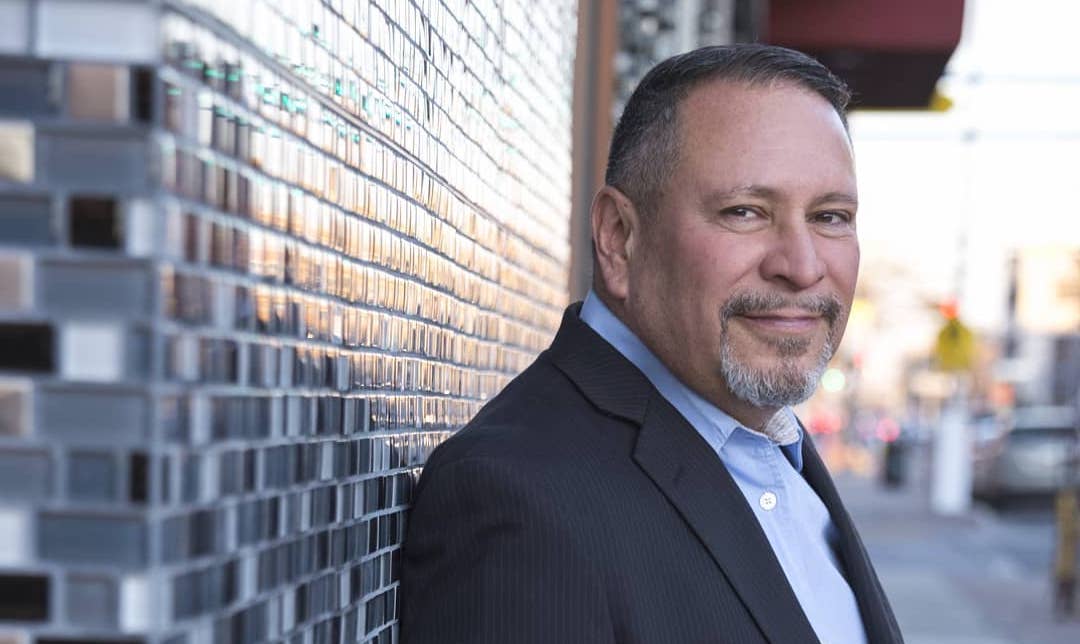 Happy Pride! June is a great time to celebrate. In June 2015, the U.S. Supreme Court (SCOTUS) ruled that same-sex couples had the right to marry, just in time for Pride celebrations across the country. SCOTUS generally releases the most important and impactful cases in June of each year. This year is no different. Except for this year, with the right-wing supermajority, they are taking our country BACKWARDS. They plan to overturn Roe v. Wade, the 1973 case that made abortion legal. This constitutional right, the right to privacy, is found in the 14th Amendment to the U.S. Constitution. So was the same-sex marriage case, and cases that overturned sodomy laws gave interracial couples the right to marry and access to contraception. This right to privacy has moved the country forward. Now a right-wing SCOTUS is taking us backward to pre-1973 when none of these rights existed. A woman’s right to have an abortion is about to be lost. Based on the flawed and incorrect “reasoning” that there is “no right to privacy” found in the Constitution, all these other cases and many other rights we currently take for granted could be lost if the leaked SCOTUS opinion becomes law.
Elections matter. When you vote, you exercise one of your fundamental rights as an American. But even this right is under attack by the right-wing. How do we prevent all of this? WE VOTE! No matter your age, your vote matters. It matters because Supreme Court Justices are appointed by the President. It matters because federal and state legislatures make the laws that most directly govern our lives. It matters because most of us want our country to move forward. But a small minority wants to tell the rest of us how to live based on their own very flawed interpretations of the Bible. Do we want to live in a world where a woman doesn’t control her own body? Or gay men or women are imprisoned for being gay? Different races or same-sex couples couldn’t get married? On this last point - it would directly affect my marriage as I’m Latino and my husband is white, and we’re gay. Or no one can get contraception, so those condoms you see at events will disappear, women can’t get the pill for birth control, and we’ll have a lot more unwanted kids because women can’t get an abortion either. If the worst happens and Roe v. Wade is overturned, we can change it. How? By VOTING! Vote for your values and your freedoms! We celebrate Pride every year. Why? Because we were oppressed and called all kinds of names and even jailed for being ourselves. All that changed because people voted because many of us sacrificed to get these rights. We worked hard to make gains for our community, and Pride is a celebration of that. But it’s also a reminder of how fragile those rights are and how determined homophobes can take those rights away in an instant. We CAN NOT let this happen! So I urge you to vote in November, especially for younger folks. Go to Pride, stand up for what you believe. Wear your Pride everywhere. When you’re out celebrating the Pride parade, festival, and parties, remember the reason for Pride. It came from our struggle for our rights. This Pride season, let’s preserve those rights we have fought hard for! Stay safe and HAPPY PRIDE! Mauro A. Walden-Montoya, Esq., is a recovering attorney who's worked with the People with AIDS legal program at the Whitman-Walker Clinic (Washington, D.C.) and The HIV Legal Clinic at the D.C. School of Law. He’s past President and board member of the New Mexico OUT Business Alliance, on the boards of Planned Parenthood of the Rocky Mountains, Wheels Museum and the ABQ Leather Daddies and a Minister in the Universal Life Church. Mauro lives in Albuquerque, with his adoring husband, Andy. |
P&E - After PrintHere are some of the latest articles and topics in the GLBT community. Archives
June 2023
Categories |

 RSS Feed
